
Get Catch Basin Installation in Denver, CO
Property owners in Denver and nearby areas can find local contractors to install, repair, or replace catch basins that prevent flooding, erosion, and water damage.
Property owners in Denver, CO, often face unique challenges when it comes to managing stormwater runoff and maintaining proper drainage on their properties. Installing catch basins can be an effective way to prevent pooling, reduce erosion, and protect landscaping from water damage. Whether planning a new drainage system or upgrading existing infrastructure, exploring options from local contractors ensures solutions are tailored to the area's specific weather patterns and soil conditions. Comparing different service providers can help identify the right expertise and approach to meet individual property needs.
For those considering catch basin installation, understanding the range of services available from nearby professionals can simplify the planning process. Local contractors are familiar with Denver’s climate and common drainage issues, making them well-equipped to handle various project requirements. Continuing to explore your options can lead to finding experienced service providers capable of delivering reliable, practical solutions that safeguard your property against water-related concerns.
- Catch Basin Installation - needed when heavy rain causes frequent pooling or flooding in residential or commercial properties.
- Drainage System Upgrades - required when existing catch basins are outdated or unable to handle increasing stormwater runoff.
- Property Drainage Solutions - essential for properties in neighborhoods like Capitol Hill or Five Points experiencing poor water flow.
- Stormwater Management Improvements - necessary for areas prone to flooding during seasonal storms or heavy rainfall events.
- Flood Prevention Projects - needed when persistent water accumulation threatens foundations or landscaping in local communities.
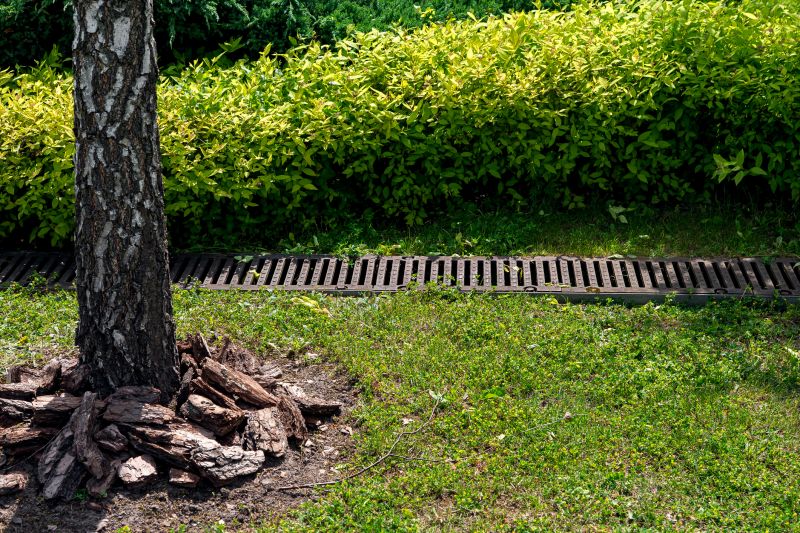
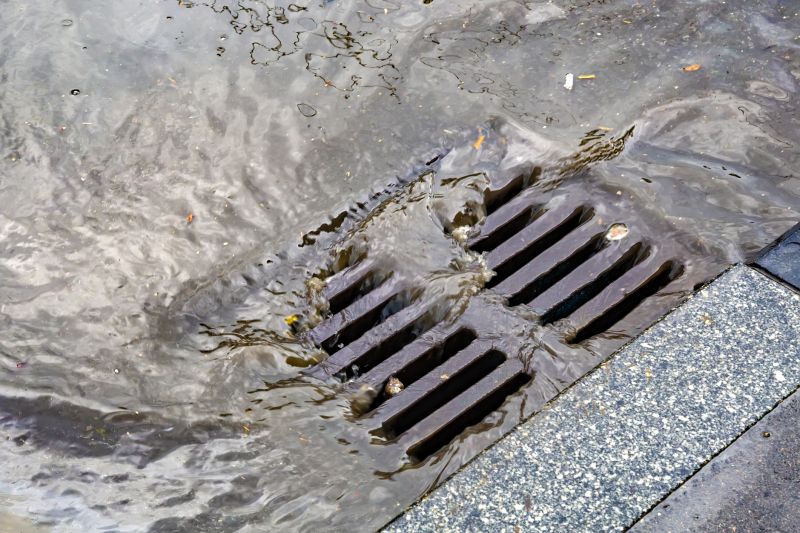
Catch basin installation services involve placing specialized drainage structures in strategic locations around a property to effectively manage water runoff. These basins are typically installed underground and designed to collect excess rainwater or melting snow, directing it away from foundations, walkways, and landscaped areas. Proper installation ensures that stormwater is efficiently channeled into the underground drainage system, helping to prevent pooling, erosion, and flooding during heavy storms or snowmelt. Experienced service providers can assess the property's drainage needs and install catch basins that integrate seamlessly with existing drainage systems for optimal performance.
This service is particularly valuable for addressing common property problems such as standing water in yards, basement flooding, and soil erosion. When water isn't properly directed away from the property, it can lead to structural damage, increased maintenance costs, and landscape deterioration. Installing catch basins helps mitigate these issues by capturing excess water before it causes damage, providing a reliable drainage solution that reduces the risk of water-related problems. For homeowners experiencing persistent pooling or drainage concerns, professional installation offers a practical way to improve the property's resilience against water damage.
Properties that frequently benefit from catch basin installation include residential homes with sloped yards, landscaped gardens, or areas prone to poor drainage. Homes situated on uneven terrain or with compacted soil may experience water pooling after storms, making drainage improvements necessary. Additionally, properties with driveways, walkways, or patios that tend to flood or become muddy during rainstorms are good candidates for catch basin services. Commercial properties, parking lots, and community spaces with large paved areas also often rely on catch basins to manage stormwater effectively and maintain safe, accessible environments.
By working with local contractors specializing in catch basin installation, homeowners and property managers can find tailored drainage solutions suited to their specific needs. These professionals assess the property’s topography, existing drainage infrastructure, and water flow patterns to recommend the most effective placement and type of catch basin. Proper installation by experienced service providers helps ensure long-term performance, minimizes maintenance issues, and protects the property from water-related damage. Connecting with local experts can provide peace of mind that the drainage system is designed and installed to handle the specific challenges of properties in Denver, CO, and nearby areas.
The overview below groups typical Catch Basin Installation projects into broad ranges so you can see how smaller, mid-sized, and larger jobs often compare in Denver, CO.
In many markets, a large share of routine jobs stays in the lower and middle ranges, while only a smaller percentage of projects moves into the highest bands when the work is more complex or site conditions are harder than average.
Smaller Repairs - Most routine catch basin repairs in Denver typically cost between $250 and $600. Many projects on this scale involve fixing or replacing a single basin or minor components. Larger or more complex repairs tend to push costs higher, but these are less common for routine maintenance.
Standard Installation - Installing a new catch basin or replacing an existing one usually ranges from $1,000 to $3,000. This range covers most standard projects for local contractors handling typical residential or commercial sites. Larger properties or more intricate setups can increase costs beyond this range.
Full Replacement - Complete replacement of multiple catch basins or extensive drainage systems can cost from $3,500 to $8,000 or more. Such projects are less frequent but are necessary for aging or heavily damaged drainage infrastructure in Denver-area properties.
Complex or Large-Scale Projects - Larger, more complex catch basin installations or upgrades involving extensive excavation and custom solutions can exceed $10,000. These projects are less common and usually involve significant site-specific challenges or commercial-scale work.
Actual totals will depend on details like access to the work area, the scope of the project, and the materials selected, so use these as general starting points rather than exact figures.
Storm Drain Installation - local contractors who install storm drains often have similar skills in grading, excavation, and drainage planning as those who install catch basins.
Landscape Drainage Systems - professionals experienced in designing and installing landscape drainage solutions use comparable tools and planning methods to manage water runoff effectively.
French Drain Installation - this project involves trenching and proper positioning of drainage pipes, requiring skills similar to catch basin setup for effective water management.
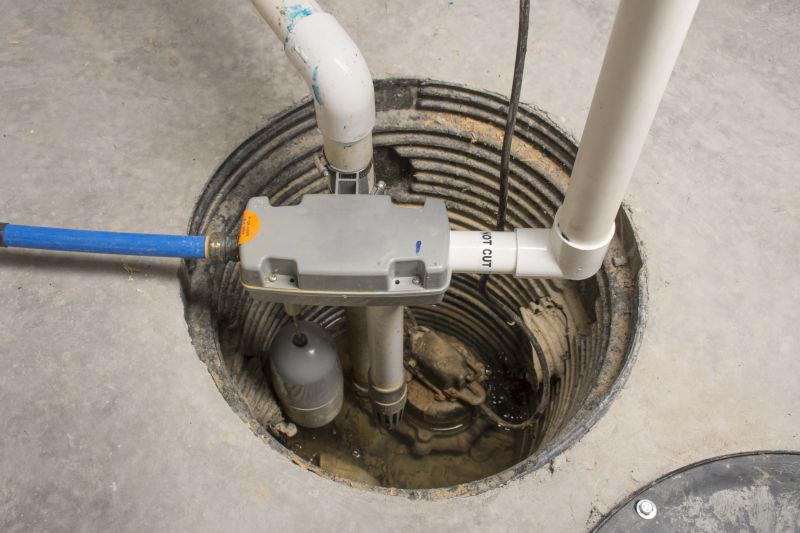
Sump Pump Installation - installing sump pumps involves excavation and drainage planning, aligning with the skills used in catch basin installation services.
Erosion Control Projects - local contractors working on erosion control often implement drainage solutions that require similar planning and excavation techniques.
Grading and Site Drainage - site grading projects focus on directing water flow, utilizing comparable tools and planning skills as those used for catch basin installations.
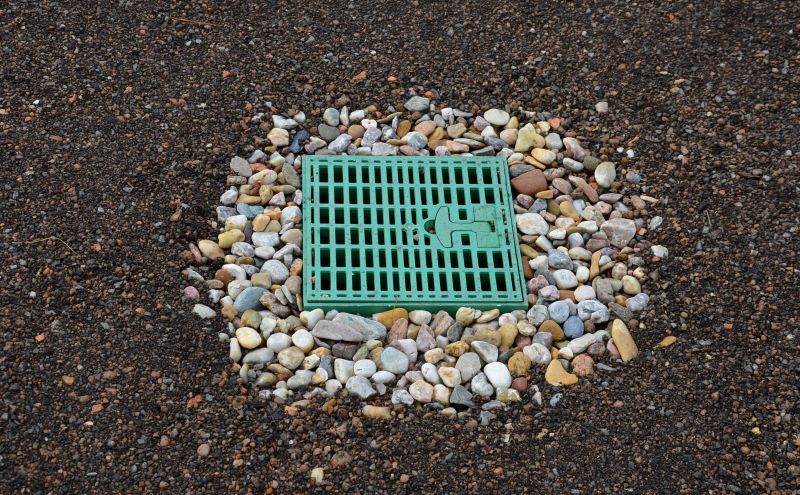
When selecting a service provider for catch basin installation, it’s important to consider their experience with similar projects in the Denver area or nearby communities. An experienced contractor will be familiar with local soil conditions, drainage challenges, and the specific requirements that come with installing catch basins in residential settings. Asking about their past work on comparable projects can provide insight into their expertise and help determine if they have the practical knowledge needed to handle the job effectively.
Clear, written expectations are essential when evaluating potential contractors. Service providers should be able to provide detailed descriptions of their work process, materials used, and any relevant steps involved in the installation. Having this information in writing helps ensure that both parties are aligned on the scope of work and can serve as a reference throughout the project. It also minimizes misunderstandings and provides a basis for assessing whether the contractor’s approach aligns with the homeowner’s needs.
Reputable references and strong communication are key indicators of a reliable local contractor. Asking for references from previous clients who had similar work done can offer valuable perspectives on the contractor’s professionalism, quality of work, and adherence to commitments. Additionally, a contractor’s ability to communicate clearly and promptly address questions or concerns demonstrates their professionalism and commitment to customer service. Connecting with service providers who prioritize transparency and responsiveness can help ensure a smoother project experience and successful outcome.
Property owners in Denver, CO use Catch Basin Installation services for practical projects around their homes and businesses. This guide focuses on everyday jobs and straightforward project options.
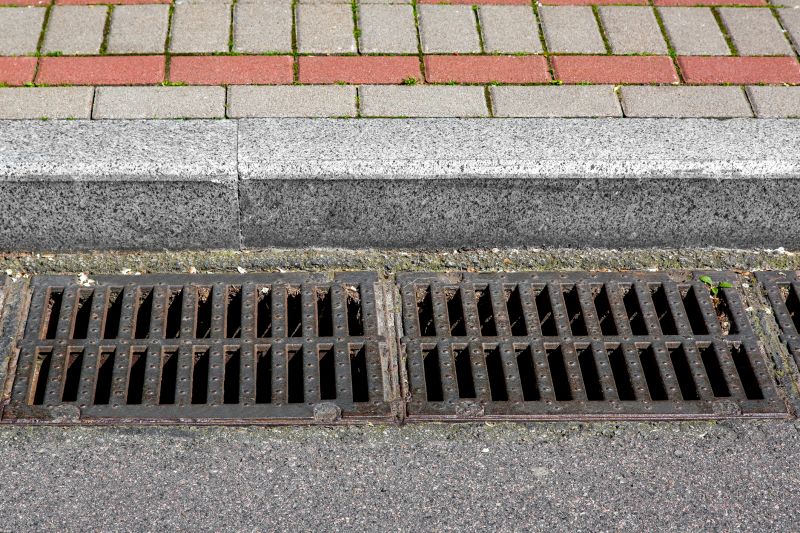
Property owners in Denver, CO, often seek catch basin installation services when managing stormwater runoff around their properties. Heavy seasonal rains and snowmelt can lead to pooling or flooding in driveways, yards, and parking areas, making effective drainage solutions essential. Local contractors can assess specific site conditions and install catch basins that help direct excess water away from buildings and walkways, reducing the risk of water damage and erosion.
Additionally, those with properties near busy streets or commercial lots may look for catch basin installation to prevent debris buildup and maintain clear drainage pathways. Properly installed catch basins can also help property owners comply with local regulations and avoid drainage-related issues during heavy storms. Connecting with experienced service providers ensures that drainage systems are designed and installed to handle Denver’s unique weather patterns and terrain.
What is a catch basin and why is it important? A catch basin is a drainage structure that collects and redirects surface water runoff, helping prevent flooding and water damage around properties in Denver and nearby areas.
How do contractors install catch basins? Local service providers typically install catch basins by excavating the area, positioning the basin, and connecting it to underground drainage systems to ensure proper water flow.
What types of catch basins are available for different property needs? There are various types, including inlet, outlet, and combination catch basins, each suited for specific drainage requirements and property layouts.
Are catch basin installations suitable for residential properties? Yes, catch basin installation is common for residential properties to manage stormwater and prevent pooling or flooding in yards and driveways.
What should be considered before installing a catch basin? Factors like property slope, existing drainage systems, and local regulations can influence the appropriate type and placement of a catch basin, so consulting with a local contractor is recommended.
Preventing Flooding - Catch basin installation can help manage heavy rain runoff, reducing the risk of flooding in driveways, yards, or basements.
Improving Drainage - Installing catch basins can direct excess water away from foundations and landscaping to protect property integrity.
Reducing Erosion - Properly placed catch basins help control water flow, preventing soil erosion around walkways and garden beds.
Enhancing Yard Safety - Catch basins can be part of a drainage plan to keep walkways and patios dry and safe during storms.
If you are thinking about Catch Basin Installation for a property in Denver, CO, this guide is meant to help you understand the work, the typical project types, and how different options might fit your plans.
When you are ready, you can use the quote form on this page to share a few details about your project. From there, local pros can review the basics and respond with options that match what you have in mind.